L is for… Lomie

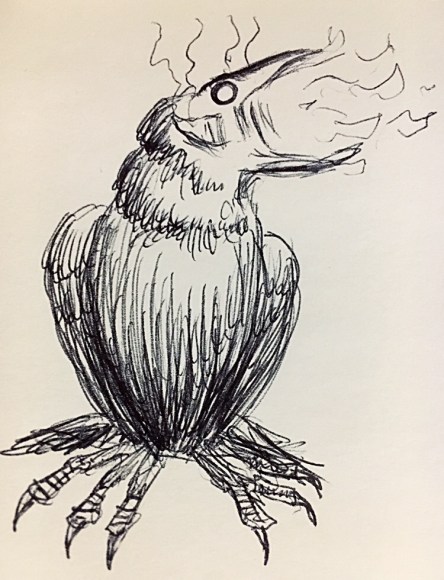
Found in the forests of Bohemia, the ill-defined Lomie has a bladder full of boiling hot water under its neck. It blasts and scalds assailants before making its escape.
J is for… Jarjacha

The Jarjacha is a long-necked, four-legged nocturnal animal with glowing eyes. It only eats incestuous people. Its mocking call – jar-jar-jar-jar-jar – echoing in the mountains of Peru is a sign that someone in the village has been Up To No Good, and the guilty parties are duly sought out and punished.
H is for… Haüt

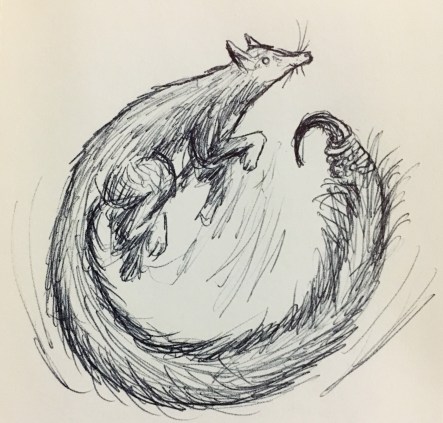
The Haüt is a grotesque South American monster described by Thevet. It is the size of a large African monkey, with a childlike face. Its paws have long claws shaped like fishbones and its fur never looks wet. Despite its ugliness it is harmless and frequently emits deep sighs like a man in pain. As it refuses all food given to it in captivity, it is believed that the haüt, like the bird of paradise, lives on nothing but air.
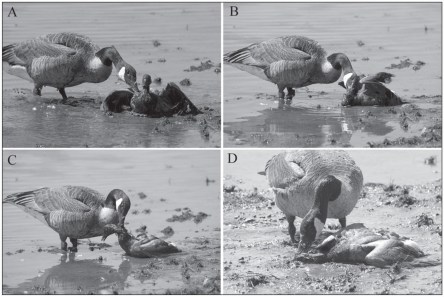
Further proof that Canada geese are vicious monsters waiting to murder us in our sleep. From the abstract: “… we suspect that this [nest-defense] aggresssion combined with the Brant’s inability to defend itself due to its smaller size led to this unusual result. The male Canada Goose maintained its attack until the Brant died.”
Dinosaurs. They’re scary.
Krauss, D. A. and Salame, I. E. (2012) Interspecific Killing of a Branta bernicla (Brant) by a Male Branta canadensis (Canada Goose). Northeastern Naturalist, Vol. 19, No. 4, pp. 701-704.

Sea hare dragon. Why not?

I hope to prove one day that, in the hands of an intelligent magpie, a quill pen has no less value than in the claws of a wolf or the paws of a fox.
J. J. Grandville, La vie privée des animaux.
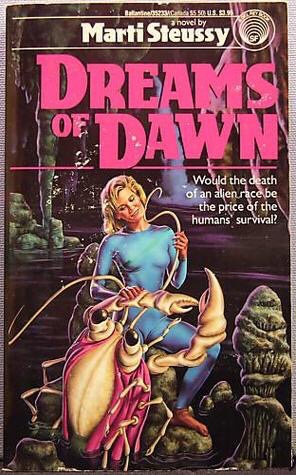
Giant friendly crabs


 A Book of Creatures